Shandong Taixing Advanced Material Co., Ltd.
News

Is Aluminum Hypophosphite Toxic and Safe?

2026-05-27 0 Leave me a message

Aluminum hypophosphite (ALPI), as an efficient phosphorus based halogen-free flame retardant, is widely used in engineering plastics. This article systematically evaluates the safety of aluminum phosphate from multiple dimensions. Existing data indicates that its acute toxicity is low (oral LD50>2000 mg/kg), and there is no clear indication of carcinogenicity or mutagenicity. However, long-term inhalation of fine powder may cause respiratory irritation. Under compliant use, aluminum hypophosphite can be safely applied in high-end fields such as electronics and automobiles.


Ⅰ.  Basic properties and application background of aluminum hypophosphite

Aluminum hypophosphite (chemical formula: Al (H2PO2) 3, CAS number: 7784-22-7) is a white crystalline powder with a high phosphorus content (~41%) and excellent thermal stability (initial decomposition temperature>300℃). It is mainly promoted into charcoal through agglomeration and plays a flame retardant role. As an important alternative to bromine based flame retardants, it has been widely used in engineering plastics such as glass fiber reinforced PA, PBT, EPOXY, etc., meeting the requirements of EU environmental directives such as RoHS and REACH.


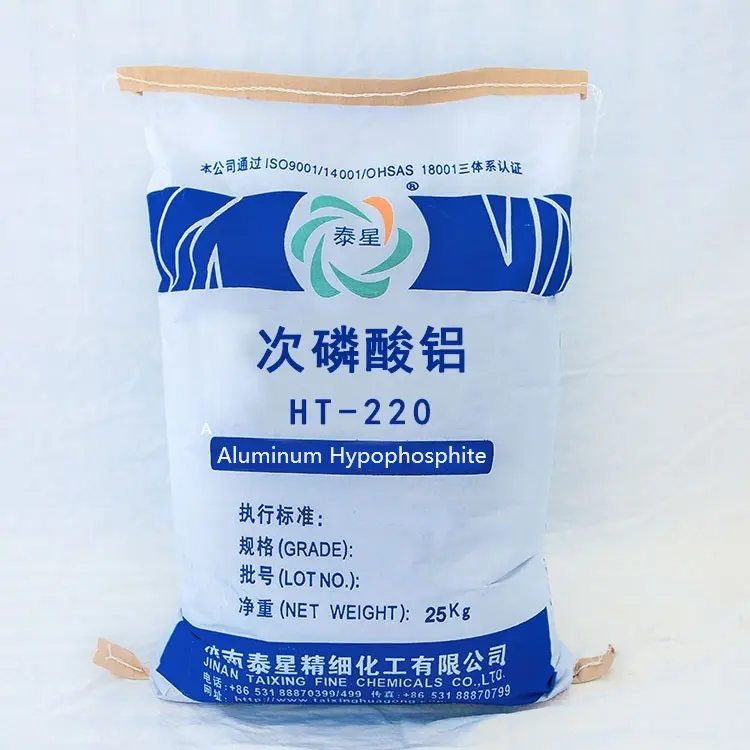
Aluminum Hypophosphite


Ⅱ.  Toxicological data-driven safety analysis

2.1 Acute toxicity assessment

According to the EU CLP Regulation (EC) No 1272/2008 classification criteria:

·Oral toxicity: Rat oral LD50>2000 mg/kg body weight, classified as "unclassified" (Category 5), indicating extremely low acute oral toxicity.

·Transdermal toxicity: Rabbit dermal LD50>2000 mg/kg, with no significant irritation or corrosiveness to the skin.

·Inhalation toxicity: Rats inhaled LC50 (4 hours)>5.17 mg/L (dust/aerosol), but fine powder (particle size<10 μ m) may cause mechanical respiratory irritation.

·Eye irritation: The test shows mild irritation, and it is recommended to wear goggles during operation.

2.2 Long term Health Impact Study

·Genetic toxicity: Ames test (bacterial reverse mutation test) result is negative; In vitro mammalian cell chromosome aberration assay showed no mutagenicity.

·Repeated dose toxicity: A 90 day subchronic inhalation study showed reversible inflammatory reactions in lung tissue only at high concentrations (>10 mg/m ³), with no systemic toxicity.

·Carcinogenicity: Currently, the International Agency for Research on Cancer (IARC) and the National Toxicology Program (NTP) in the United States do not list aluminum hypophosphite as a known or suspected carcinogen.

2.3 Ecotoxicity Data

·Aquatic toxicity: Algae EC50>100 mg/L (72 hours), fish LC50>100 mg/L (96 hours), belonging to "low toxicity to aquatic organisms".


Ⅲ.  Occupational exposure risks and industrial hygiene control

3.1 Main risk pathways

·Dust inhalation: Inhalable dust (PM10) generated during production, mixing, and feeding processes is the main risk. Long term exposure may cause mechanical irritation such as dry respiratory mucosa and coughing.

·Risk of accidental ingestion: Low probability, but cross contamination between food and materials should be avoided.

·Eye contact: may cause temporary discomfort.

3.2 Exposure limit recommendations

At present, there is no specific occupational exposure limit (OEL). It is recommended to refer to:

·Total dust: controlled below 10 mg/m³ (based on OSHA general dust standards)

·Inhalable portion: controlled below 3mg/m³ (recommended based on aluminum compounds)

3.3 Engineering and Management Control Measures

1. Local ventilation: Install local exhaust hoods during feeding and mixing processes

2. Personal protective equipment: Wear N95/P2 dust masks, chemical goggles, and anti-seepage gloves

3. Homework standard: Do not dry sweep, use HEPA vacuum cleaner for cleaning


Ⅳ.  Health monitoring: Regular lung function tests (for long-term operators)

4.1 Global Major Regulatory Status

Regulatory system

Status and Requirements

EU REACH

Formally registered (>1000 tons/year), no SVHC (Substances of Very High Concern) list restrictions

China's Catalogue of Hazardous Chemicals

Not included, managed as ordinary chemicals

TSCA in the United States

Compliant listed in the directory, with no usage restrictions

Japanese chemical review law

Declared and meets the requirements of existing chemical substances

4.2 Key Compliance Points for Terminal Products

·Electronic appliances: Compliant with RoHS directive (halogen-free, lead-free, cadmium free, etc.)

·Automotive interior: meets VOC emission standards and has no odor interference

·Food contact materials: require specific migration testing (e.g. EU 10/2011), typically recommended for use in non direct contact layers


Ⅴ.  Comparative safety analysis with alternative flame retardants

Type of flame retardant

Acute toxicity comparison

Main risk points

Environmental persistence

Aluminum hypophosphite

Low (LD50>2000mg/kg)

Dust irritation

Difficult to degrade, without biological enrichment

Brominated epoxy resin

Low toxicity, but combustion produces dioxins

Halogen restriction, toxic gases from pyrolysis

Potential Persistent Organic Pollutants

Aluminum/Magnesium Hydroxide

extremely low(LD50 >5000)

High addition affects performance

harmless

Red phosphorus masterbatch

Low toxicity, but containing trace amounts of yellow phosphorus

Risk of dust explosion and production of phosphine upon contact with acid

stable


Ⅵ.  Safety usage guide

6.1 Storage and Handling

·Keep dry and sealed (moisture absorption rate<1%, but long-term exposure may cause clumping)

·Stay away from strong oxidants (such as peroxides and nitrates) to prevent oxidation reactions

·Suggested storage temperature<40℃, relative humidity<60%

6.2 Emergency Response Measures

·Skin contact: Rinse with water for 15 minutes, change clothes

·Eye contact: Immediately rinse with plenty of water and seek medical examination

·Inhalation: Move to a well ventilated area and seek medical attention if coughing persists

·Leakage: Collect with a damp cloth or specialized vacuum cleaner and place in a sealed container


Disclaimer: This article is based on publicly available research data and industry practices and does not constitute professional safety advice.

Related News
Leave me a message
X
We use cookies to offer you a better browsing experience, analyze site traffic and personalize content. By using this site, you agree to our use of cookies. Privacy Policy
RejectAccept